
Second home owners are facing massive council tax bills with some now paying up to £28,000 each year. The sharp increases have come as councils increase premiums in a major crackdown on additional properties. Property owners in Scotland now face some of the highest council tax charges in Britain after SNP-controlled Midlothian Council introduced a 500 per cent premium from April 10.
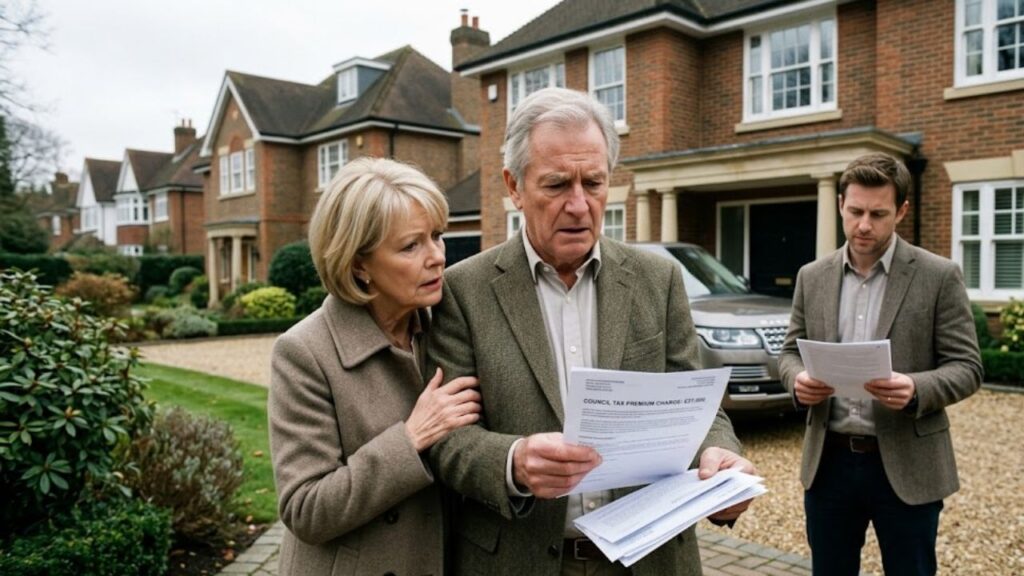
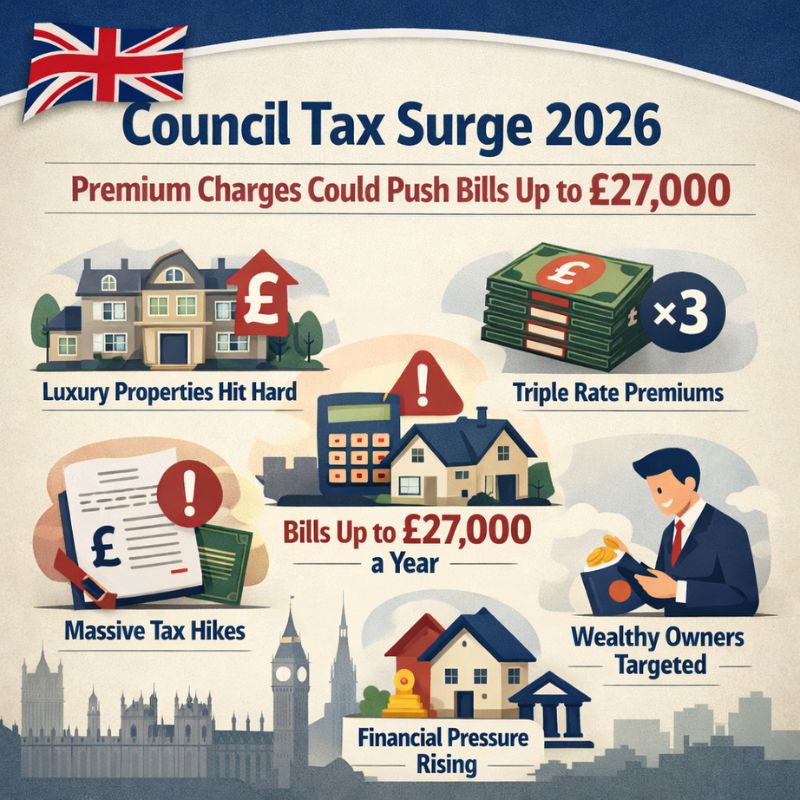
The new levy means some homeowners could receive annual bills approaching £28,000. Those with Band G properties face the biggest hit with charges reaching as much as £27,863.10 when the full premium applies. For a typical Band D second home bills could rise to £14810.88 under the maximum rate. Scottish councils now have unlimited powers to set second home premiums which goes further than rules in the rest of Britain. The charges are applied on a sliding scale depending on how long the property has been owned.
Council tax charges increase depending on how long the second home has been owned.
Those who have had the property for less than two years will pay double the standard rate while owners in the two to three year bracket face a 300 per cent surcharge. The highest charges apply to longer-term owners. Anyone who has held a second property for more than three years will be hit with the full 500 per cent premium. Council data shows there are 35 second homes in Midlothian spread across different tax bands. Of these 11 are in Band D while just two fall into the higher Band G category. Empty properties are treated in the same way with charges rising depending on how long they have been left vacant. The policy is expected to raise around £200,000 for the council in the 2026-27 financial year.
Council leader Kelly Parry stated in February that while the measure would bring in some revenue the authority’s preference was for it to drive behavioural change. She said this was particularly important given the lack of supply in rented houses which is not only a challenge for obtaining properties but also pushes up prices. The council has argued that imposing substantial charges would discourage second home ownership and make more properties available to local residents.
Scotland’s taxation powers on second homes significantly outstrip those available to councils south of the border. English local authorities are capped at doubling standard council tax rates while Welsh councils can apply a maximum 300 per cent surcharge. Several other Scottish councils have also raised their premiums following the introduction of uncapped powers though none have matched Midlothian’s scale.
The Scottish Conservative housing spokesperson Meghan Gallacher condemned the increases as eye-watering hikes resulting from SNP & Green politicians granting councils unlimited powers. She said this reckless proposal will pile costs on to homeowners at a time when many are already struggling with the cost-of-living crisis. She accused ministers of choosing punitive charges over meaningful action on Scotland’s housing emergency.
Nathan Emerson of Propertymark noted that second homes in Scotland already attract an eight per cent additional dwelling supplement at purchase. He added there was limited evidence that higher taxes were boosting affordable housing supply.
Joanna Marchong from the Adam Smith Institute warned councils risked driving away the very investment and spending that local economies rely on by pushing charges to extremes to plug financial gaps.
