The role of parish councils in local governance
The core purpose of parish councils is to support local decision making by giving residents a direct voice in how their area is run. These councils act as a channel for community representation, ensuring opinions from villages and neighbourhoods reach higher authorities. Rooted in grassroots democracy, parish councils discuss local issues, submit recommendations, and influence planning outcomes. While their powers are limited, their statutory responsibilities allow them to manage certain assets, comment on development plans, and shape local priorities in ways that larger councils often cannot achieve alone.
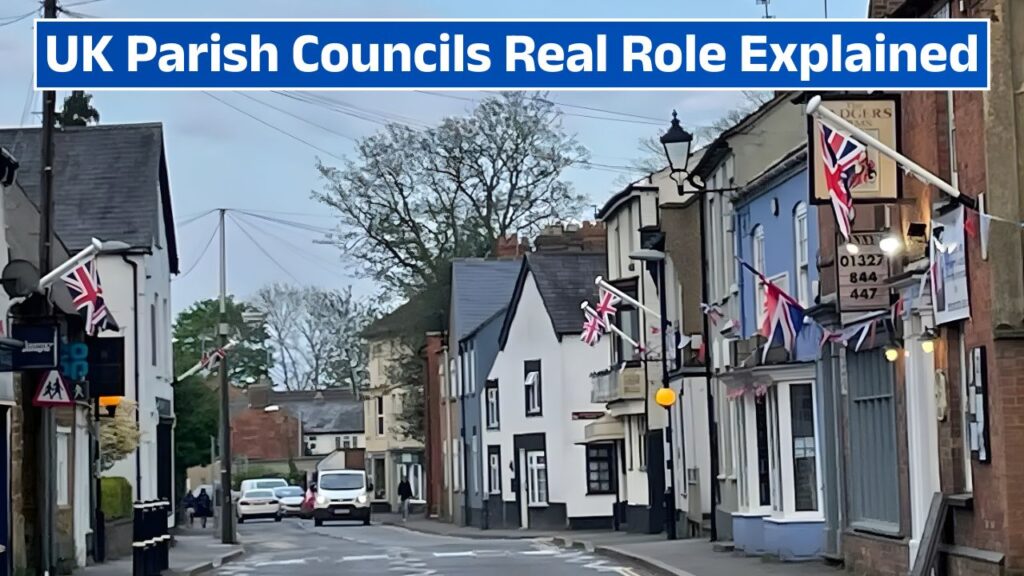

How UK parish councils support communities
Parish councils in the UK contribute practically to daily life through involvement in planning consultations and oversight of small but meaningful local services. They may manage community halls, maintain footpaths, or support local events that bring people together. Through careful budget management, councils collect a small precept to fund projects residents actually want. Open public meetings encourage transparency and allow people to raise concerns directly, making parish councils a trusted and approachable part of the local support system.

Why parish councils matter to residents
For residents, parish councils offer a simple way to stay involved through active resident engagement and discussion of neighbourhood priorities. Councils are usually made up of volunteer councillors who live locally and understand everyday challenges. This structure encourages stronger civic participation and ensures decisions feel relevant and personal. By promoting local accountability, parish councils help communities feel empowered, informed, and confident that even small concerns can lead to meaningful local action.
Understanding the wider impact of parish councils
Although often overlooked, parish councils are central to everyday governance in the UK. Their influence on village wellbeing comes from consistent communication, small-scale improvements, and a deep understanding of local needs. By improving democratic access, they allow residents to participate without complex bureaucracy. Over time, this encourages stronger local leadership and fosters communities that are more resilient, connected, and confident about shaping their own future.
| Aspect | Parish Council Role | Who Benefits |
|---|---|---|
| Planning | Provides local opinions | Residents |
| Facilities | Manages community assets | Local groups |
| Funding | Sets local precept | Neighbourhoods |
| Meetings | Hosts open discussions | Citizens |
| Representation | Liaises with authorities | Wider community |
Frequently Asked Questions (FAQs)
1. What is a parish council?
A parish council is the lowest tier of local government representing a town or village.

2. Do parish councils have legal powers?
Yes, they have limited legal powers to manage assets and comment on planning matters.
3. How are parish councillors chosen?
Councillors are usually elected by local residents during council elections.
4. Can residents attend parish council meetings?
Yes, meetings are generally open to the public and encourage community participation.