
Parish councils play a quietly powerful role in shaping everyday life across small towns and rural areas in the United Kingdom. While they may be the lowest tier of local government, their influence is often the most personal and immediate. From managing community spaces to representing local voices, parish councils help ensure that even the smallest communities are heard. Understanding why they matter highlights how local democracy works at a grassroots level and why these councils remain essential for maintaining strong, connected, and resilient rural communities.
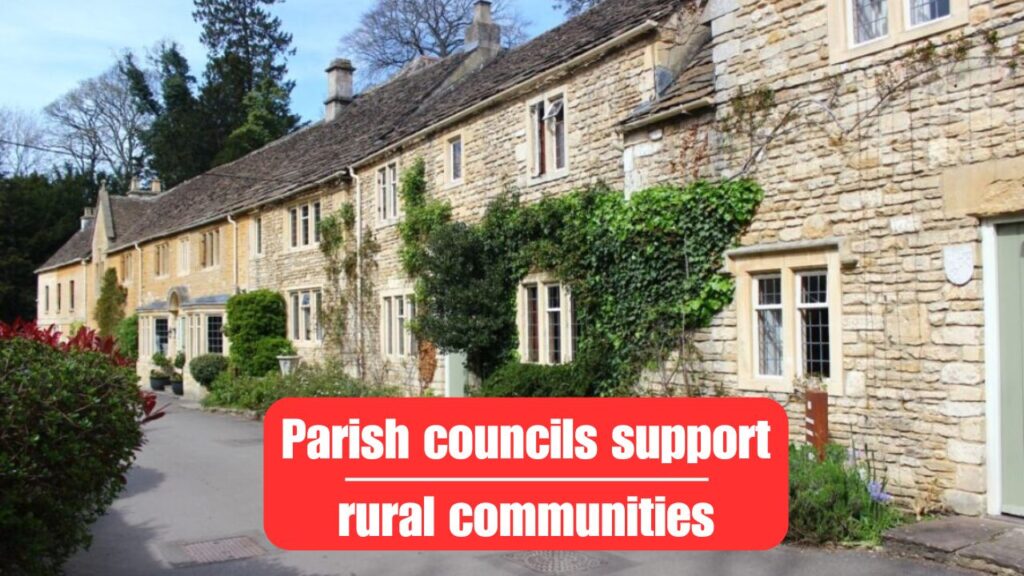
Why Parish Councils Matter for Local Voices
One of the main reasons parish councils matter is their ability to amplify local resident voices in decision-making. In small towns, people often feel disconnected from distant authorities, but parish councils provide a direct community link that bridges this gap. Councillors are usually local volunteers who understand everyday village issues firsthand. This closeness helps build public trust locally and encourages residents to share ideas or concerns. By acting as a formal channel to higher councils, parish councils ensure that grassroots opinions matter and that local priorities are not overlooked.

Importance of Parish Councils in Rural Development
Parish councils are deeply involved in supporting small town development across rural areas. They often manage village halls, parks, and footpaths, helping maintain shared public spaces that bring people together. Through careful planning input, they protect rural character preservation while still supporting sensible growth. Many councils also help coordinate local improvement projects, such as seating, lighting, or noticeboards. These efforts may seem modest, but they create long-term community benefits that improve quality of life for residents.

How Parish Councils Strengthen Community Life
Beyond administration, parish councils play a key role in nurturing strong community identity. They support events, charities, and clubs that encourage social connection locally, especially important in rural areas where isolation can be an issue. Councils often collaborate with volunteers, fostering active local participation and civic pride. By responding quickly to local needs, they provide practical local solutions that larger bodies may overlook. This hands-on approach helps build resilient rural communities that can adapt and thrive.
Summary and Local Impact Analysis
In summary, parish councils remain a cornerstone of local democracy in the United Kingdom, particularly for smaller and rural communities. Their strength lies in close resident engagement, which allows them to respond effectively to local needs. By balancing tradition with progress, they support sustainable local governance and protect community interests. Their work encourages everyday civic involvement and helps maintain a sense of belonging. Ultimately, parish councils deliver meaningful local impact by keeping decision-making rooted in the communities they serve.
| Role Area | Key Contribution | Community Benefit |
|---|---|---|
| Local Representation | Raising resident concerns | Stronger local voice |
| Community Facilities | Managing halls and parks | Better shared spaces |
| Planning Input | Commenting on developments | Balanced growth |
| Community Events | Supporting local activities | Improved social ties |
| Local Projects | Small-scale improvements | Enhanced quality of life |
Frequently Asked Questions (FAQs)
1. What is a parish council?
A parish council is the lowest tier of local government representing a town or village.
2. Do parish councils have real power?
Yes, they influence local services, planning views, and community projects.
3. Who can become a parish councillor?
Most local residents aged 18 or over can stand for election.
4. How are parish councils funded?
They are mainly funded through a small local tax called the precept.

